


There is something quietly captivating about imperfection. In a world where everything is machine cut, polished, and perfectly aligned, Zellige tiles feel like a breath of fresh air. They are not flawless, and that is exactly the point. Each tile carries subtle variations in tone, texture, and reflection, telling a story that no factory line could ever replicate.
Over the past few years, Zellige tiles have moved from traditional courtyards in Morocco to contemporary homes, boutique hotels, and high end commercial spaces around the world. Architects and interior designers are increasingly turning to Zellige not just as a material, but as a design statement. Even homeowners with no design background are drawn to its authenticity and warmth.
This blog breaks down everything you need to know about Zellige tiles, from their origins to their modern day appeal, and how you can thoughtfully use them in your own projects.
Zellige tiles are handcrafted clay tiles that are traditionally made using non refined natural clay. They are shaped, dried, fired in kilns, and then glazed individually. After glazing, each tile is hand cut into precise shapes, which gives them their signature irregular edges.
Unlike ceramic or porcelain tiles that are produced in bulk with identical finishes, Zellige tiles celebrate variation. No two tiles are ever the same. Some may have tiny surface cracks, others may reflect light differently, and a few might have slight tonal shifts. These characteristics are not defects, they are what make Zellige so special.
Zellige dates back over a thousand years and is deeply rooted in Moroccan craftsmanship. The art form flourished during the Islamic Golden Age, where geometric patterns and intricate mosaics were widely used in architecture.
You will still find stunning Zellige work in historic places like Fez Medina, where artisans continue to produce tiles using techniques passed down through generations. This heritage is a big part of what makes Zellige more than just a tile. It is a cultural artifact.
The rise of Zellige tiles is not accidental. It aligns perfectly with a broader shift in design preferences.
People are moving away from synthetic finishes and embracing materials that feel organic and real. Zellige, with its clay base and handmade process, fits seamlessly into this narrative.
Perfect symmetry is slowly being replaced by character. The slight unevenness in Zellige tiles creates a dynamic surface that changes throughout the day depending on how light hits it.
Platforms like Pinterest and Instagram have played a huge role in popularizing Zellige. Designers and homeowners share close up shots of glossy, light reflecting walls that instantly catch attention.
Zellige works just as well in a rustic Mediterranean home as it does in a sleek modern apartment. It blends tradition with contemporary design effortlessly.
One of the biggest strengths of Zellige is its versatility. Here are some of the most popular applications:
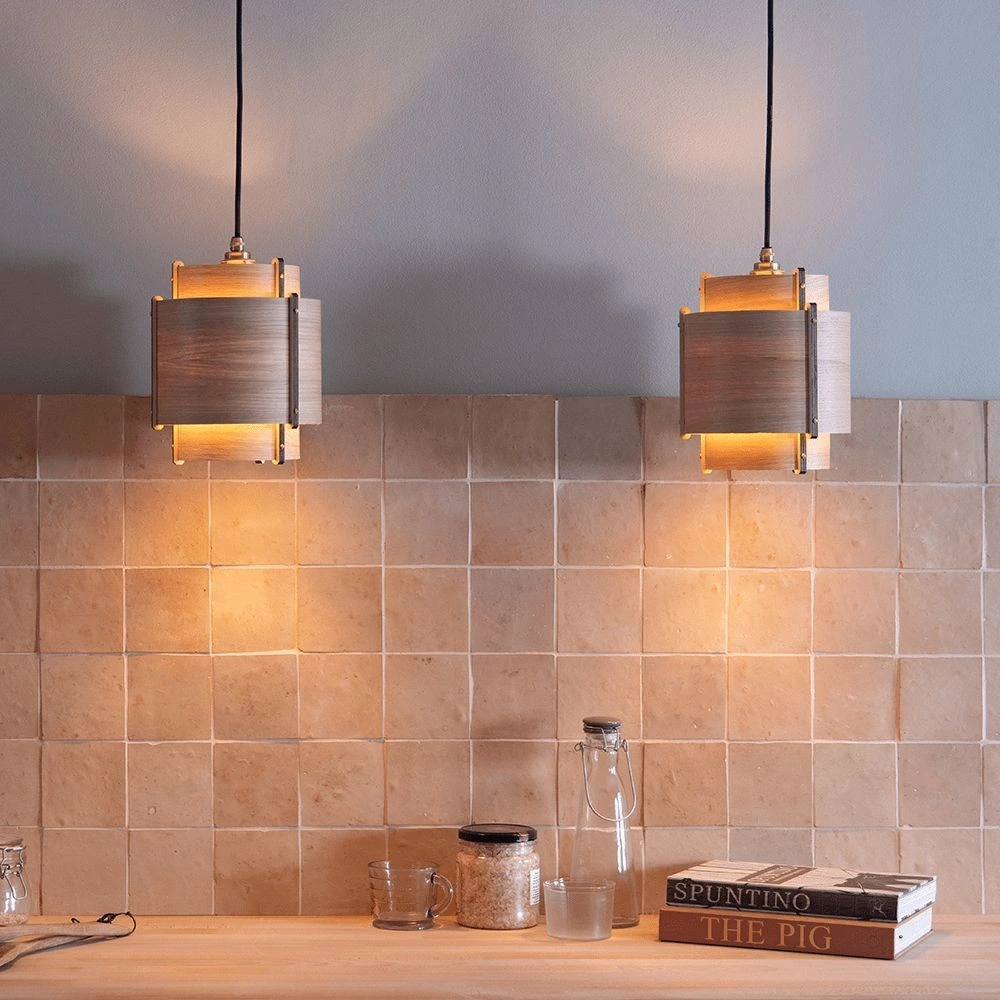
Zellige tiles create a soft, luminous backdrop in kitchens. They pair beautifully with natural wood, marble, and even concrete countertops.
Bathrooms are where Zellige truly shines. The glaze reflects light in a way that makes even small spaces feel more open and alive.

A Zellige feature wall can transform a plain space into something memorable. Whether it is in a living room, entryway, or bedroom, it adds depth without overwhelming the space.

Restaurants, cafes, and boutique hotels are using Zellige to create a unique identity. It offers a handcrafted luxury feel that stands out from generic interiors.

If you are an architect or interior designer, Zellige comes with both opportunities and considerations.
Zellige tiles are not installed like standard tiles. Because of their irregular edges, they are often placed closer together with minimal grout lines. This creates a seamless look but requires skilled labor.
Clients need to be educated beforehand. Variation is not a flaw. It is the essence of the material. Setting expectations early avoids unnecessary dissatisfaction.
Zellige tiles interact beautifully with light. Positioning them where natural or artificial light can enhance their reflective quality will elevate the entire design.
Zellige tiles are typically more expensive than mass produced tiles due to their handmade nature. However, the visual impact often justifies the investment.
If you are new to Zellige, here are a few practical points:
Zellige tiles are relatively easy to maintain. Regular cleaning with mild soap and water is usually enough. However, sealing may be recommended in certain applications.
They are durable but not as hard as porcelain. They can chip if handled roughly, so care during installation is important.
Neutral tones like white, sand, and grey are timeless. Bold colors like emerald green or deep blue create a more dramatic effect.
Zellige tiles are available in a wide range of colors, but some shades are particularly popular:
Soft white for a clean, minimal look
Emerald green for richness and depth
Deep blue for a classic Moroccan feel
Terracotta for warmth and earthiness
Each color reacts differently to light, so it is always a good idea to view samples in person before finalizing.
When working on a project or even planning your own home, visual references are incredibly helpful.
Go to Pinterest and try these search phrases:
“Zellige tile bathroom modern”
“handmade Moroccan tile kitchen”
“Zellige feature wall living room”
“green Zellige backsplash ideas”
Create boards for each space such as kitchen, bathroom, and feature walls. This helps you organize ideas and communicate clearly with designers or contractors.
Zellige tiles are more than just a trend. They represent a shift toward authenticity, craftsmanship, and individuality in design. In a time where many spaces feel overly polished and repetitive, Zellige brings back character and soul.
Whether you are a homeowner exploring ideas, an architect designing a standout project, or an interior designer looking to add depth to your work, Zellige offers something truly unique. It is not about perfection. It is about creating spaces that feel lived in, warm, and real.
And perhaps that is why Zellige is not just catching a trend. It is quietly redefining what good design looks like.